Anti-D to Tanzania to support prevention of Rhesus disease
&width=710&height=710)
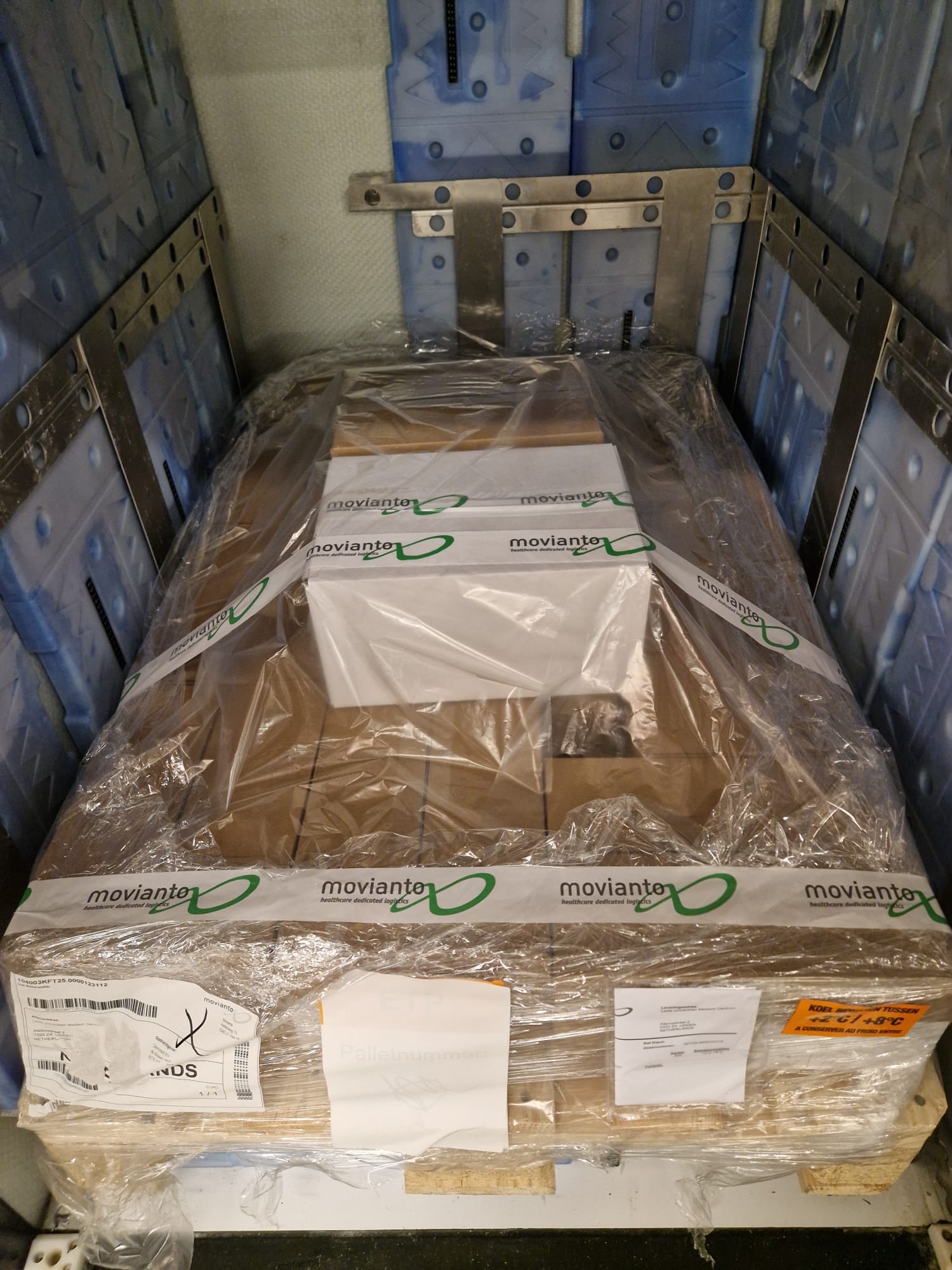 The shipment is part of a broader effort to improve HDFN prevention on the African continent. Each year, an estimated 160,000 perinatal deaths and 100,000 lifelong disabilities worldwide are attributed to this condition, even though the condition has been preventable with a single injection since the 1960s. These tragic outcomes mainly occur in low- and middle-income countries, where pregnant women have insufficient access to anti-D prophylaxis due to global shortages and limited availability.
Kilimanjaro Christian Medical Centre is a university hospital in northern Tanzania and plays a central role in maternal and child health research and care in the region. “We will screen the blood type of 10,000 pregnant women. For women with a Rhesus-negative blood type, access to anti-D can mean the difference between life and death for their newborns,” says Dr. Jeremia P. Pyuza, principal investigator for AFRICARhE in Tanzania. The study is part of the AFRICARhE project, an African initiative to eradicate Rh disease in Africa. African academic partners are collaborating with Leiden University Medical Centre (LUMC) and Sanquin to generate scientific insights and translate these into tangible improvements in clinical practice and access to care.
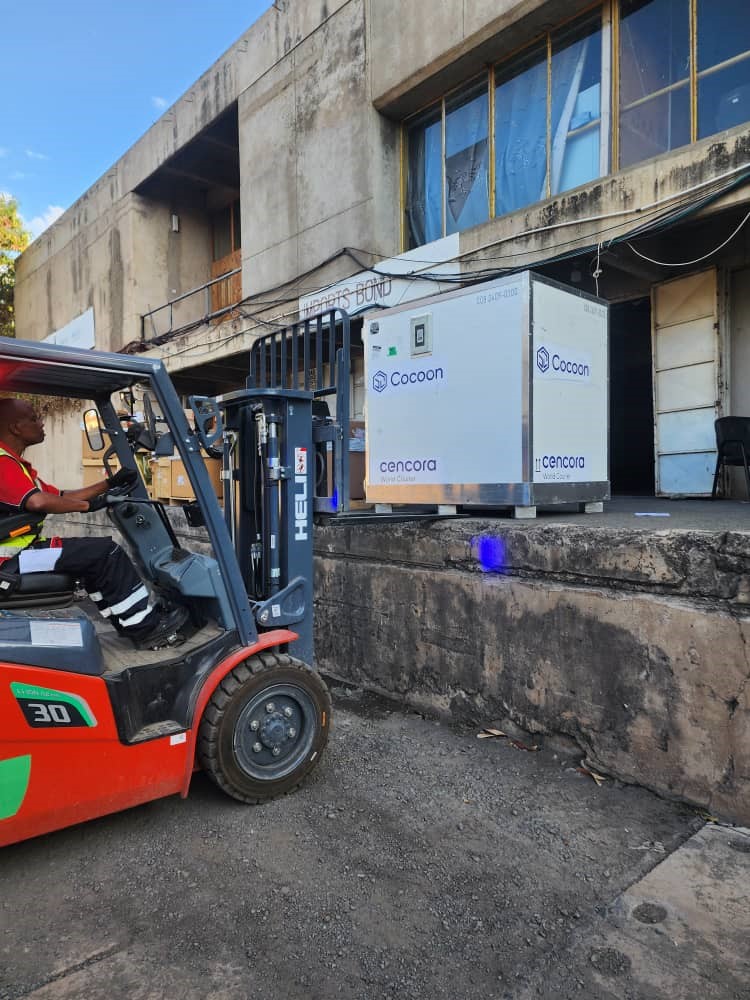 The anti-D prophylaxis has been made available by CSL Behring ©. The transport is made possible with logistical support from LUMC, Devrimed, Movianto Nederland, and World Courier. “It was incredibly difficult to get the anti-D to Tanzania,” says Tienke Vermeiden, researcher and project coordinator at the LUMC Department of Obstetrics. “Due to the global shortage, the first major challenge was to find a sponsor. Then we needed approval from Dutch and Tanzanian authorities. The transport itself is also complex, since the product must be kept between 2 and 8 degrees. Altogether it has taken us more than six months. We are very happy that the anti-D is now on its way to Tanzania. We hope that the anti-D transport for a similar study in Ethiopia will soon follow.”
To structurally improve access to anti-D on the African continent, more is needed: more global production, lower prices (in the Netherlands, one injection costs around 80 euros), registration of products in African countries, and an adequate distribution system. The involved organizations are fully committed to raising awareness about Rh disease in Africa and the global anti-D shortage.
About AFRICARhE
The AFRICARhE project focuses on preventing the disease burden caused by Rh disease in order to promote health equity for women in Africa. It does so through women-centered research, capacity-building and awareness-raising, and by establishing context-specific programs for screening, prevention, and treatment. The AFRICARhE consortium consists of Haramaya University in Ethiopia, Kilimanjaro Christian Medical Centre in Tanzania, and Queen Elizabeth Central Hospital in Malawi, and LUMC and Sanquin in The Netherlands.
Contact: africarhe@lumc.nl